How Does Management Construction Software Improve Site Coordination?
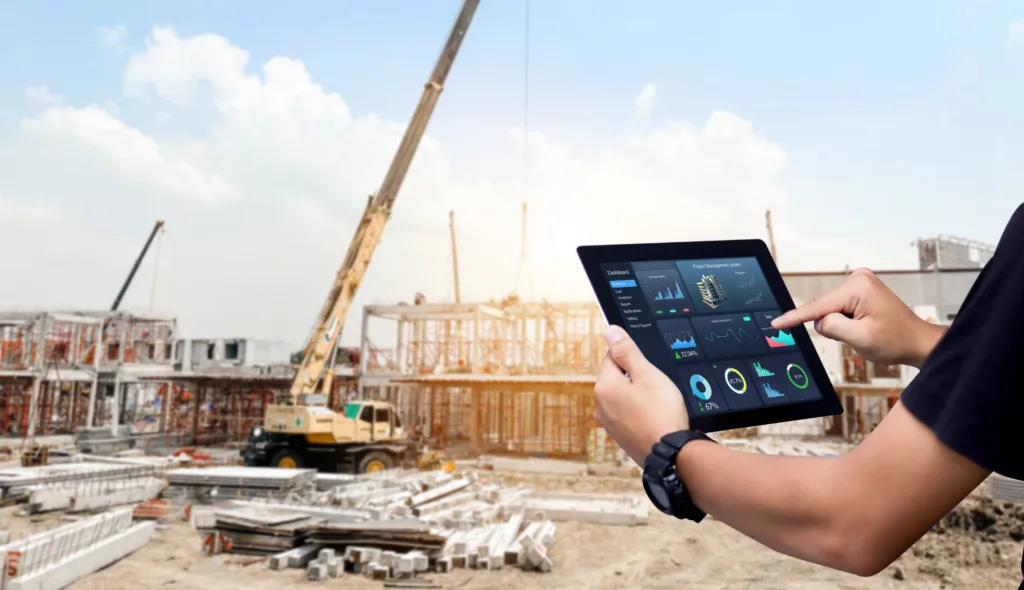
Construction sites are complex environments where multiple teams, subcontractors, and stakeholders need to work in perfect harmony. Without proper coordination, projects face delays, budget overruns, and safety risks. Management construction software has emerged as a game-changer, streamlining communication and improving efficiency across job sites.
Why Is Site Coordination Critical in Construction?
Poor coordination causes 30% of construction project delays, according to industry research. When teams aren’t aligned, materials arrive late, workers sit idle, and mistakes get repeated. Management construction software solves these issues by creating a single source of truth that everyone can access in real time.
What Are the Key Benefits of Using Construction Management Software?
How Does It Enhance Communication?
Construction management platforms connect field workers, project managers, and office staff instantly. Instead of relying on phone calls or scattered emails, teams can share updates through a centralized system. This reduces miscommunication and ensures everyone has the latest project information at their fingertips.
Why Does Real-Time Data Matter?
Software tools provide live updates on project progress, equipment locations, and material inventory. Managers can track which tasks are completed and identify bottlenecks before they become major problems. This visibility helps teams make faster decisions and adjust plans when unexpected issues arise.
How Does It Improve Resource Management?
Proper resource allocation prevents waste and maximizes productivity. Management software tracks worker schedules, equipment usage, and material deliveries. When conflicts arise, project managers can quickly reassign resources to keep work flowing smoothly across multiple job sites.
What Features Should You Look For?
Mobile Accessibility: Field workers need access to plans, schedules, and updates while on-site. Cloud-based software with mobile apps ensures teams can retrieve critical information from anywhere.
Document Management: Construction projects generate countless documents, from blueprints to safety reports. Software that organizes these files in one searchable location saves hours of administrative work.
Task Tracking: Clear task assignments with deadlines help teams stay accountable. Automated notifications remind workers about upcoming deadlines and flag overdue items.
What Do Industry Trends Show?
The construction technology market is expected to reach $2.7 billion by 2025, reflecting widespread adoption. Companies using management software report 15-20% improvements in project delivery times and significant reductions in rework costs.
How long does it take to implement construction management software?
Most teams can get started within a few weeks. Cloud-based solutions require minimal IT support and offer quick onboarding processes with training resources.
Can small construction companies benefit from this software?
Absolutely. Scaled pricing options and user-friendly interfaces make these tools accessible to businesses of all sizes. Even small teams see productivity gains from better coordination.
Does it integrate with existing tools?
Modern construction management platforms connect with accounting software, scheduling tools, and other business systems. This integration eliminates duplicate data entry and keeps information synchronized.
Making the Switch to Smarter Coordination
Management construction software transforms chaotic job sites into well-coordinated operations. By improving communication, providing real-time visibility, and optimizing resource use, these tools help construction companies deliver projects on time and within budget. Whether you’re managing a small residential build or a large commercial project, investing in the right technology pays dividends through improved efficiency and reduced headaches.
You May Also Like

Sweet888’s Commitment to Responsible Gaming and Player Well-being

Key Statistics Shaping the IP TV Market
