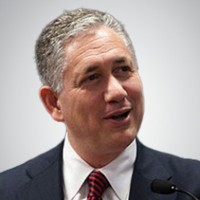
Image-Driven Future for Brain Trauma Care Powered by Dr. Andrew Gomes Expertise
Dr. Andrew Gomes is leading a shift toward an image-driven approach to brain trauma care. Traditional diagnostic methods often rely on symptom reporting and basic imaging, which can miss subtle or early-stage injuries. Dr. Andrew Gomes Sugar land tx emphasizes the integration of advanced imaging technologies that provide detailed structural and functional insights. By leveraging these tools, clinicians can detect trauma earlier, evaluate severity more accurately, and develop personalized treatment plans that optimize recovery outcomes.
What makes an image-driven approach so impactful?
The strength of an image-driven model lies in its ability to capture more than just visible structural damage. Dr. Gomes highlights innovations such as high-resolution structural scans, functional MRI, and diffusion imaging, which reveal micro-level tissue changes, neural pathway disruptions, and early inflammatory responses. Combined with intelligent data interpretation, these tools allow clinicians to identify patterns and anomalies that may not be apparent through traditional assessment. This approach increases diagnostic accuracy and enhances clinical decision-making.
How does imaging influence treatment strategies?
Accurate imaging directly informs treatment planning. Dr. Andrew Gomes Sugar land tx explains that understanding the precise location, type, and severity of a brain injury allows medical teams to tailor therapies to the patient’s unique neurological profile. Personalized interventions, optimized rehabilitation programs, and targeted monitoring reduce the risk of complications and improve the efficiency of recovery. By aligning treatments with the biological realities of the injury, clinicians can achieve better long-term outcomes and support patients more effectively throughout their recovery journey.
Can image-driven methods support ongoing monitoring and recovery evaluation?
Yes. One of the key advantages of advanced imaging is its ability to provide continuous feedback on the brain’s response to treatment. Dr. Gomes emphasizes that tracking changes over time allows clinicians to adjust therapies based on objective biological data. This dynamic monitoring not only enhances recovery but also provides patients and families with clearer insights into progress, helping to set realistic expectations and build confidence in the treatment process.
What is the broader impact of adopting an image-driven model in brain trauma care?
Dr. Andrew Gomes believes that image-driven approaches are redefining standards in neurological care. Patients benefit from earlier detection, more precise diagnosis, and individualized treatment plans informed by detailed imaging data. This evolution moves brain trauma care from reactive management toward proactive, precision-based interventions. By integrating advanced imaging into every stage of care, Dr. Andrew Gomes Sugar land tx is helping create a future where brain injuries are assessed with greater clarity, treated more effectively, and monitored continuously to achieve optimal patient outcomes.